Region
Uttrakhand | India
Duration
5 Days
Max. Altitude
12,000 Ft.
Trekking Km.
21 kms
Grade
Moderate
Get in Touch with Our Trek Expert
- +918979662697
- info@musafirhikes.com
- Monday - Saturday: 10 AM to 06 PM
Rs. 7,500 /Person
Fixed Departure Dates
Select Your Date
- 5% GST will be applicable on Trek Cost and Add-ons.
- Meeting Point( Pickup/ Drop Point ): Hotel Milan Palace near Railway Station, Dehradun.
- Reporting Time: 6:00 am
- Drop Time: 6:30 pm to 7:30 pm (Timings are subject to change based on weather and road conditions).
- Please reach Dehradun a day before to avoid any delays.
Overview
Dayara Bugyal — The Meadow of Endless Skies
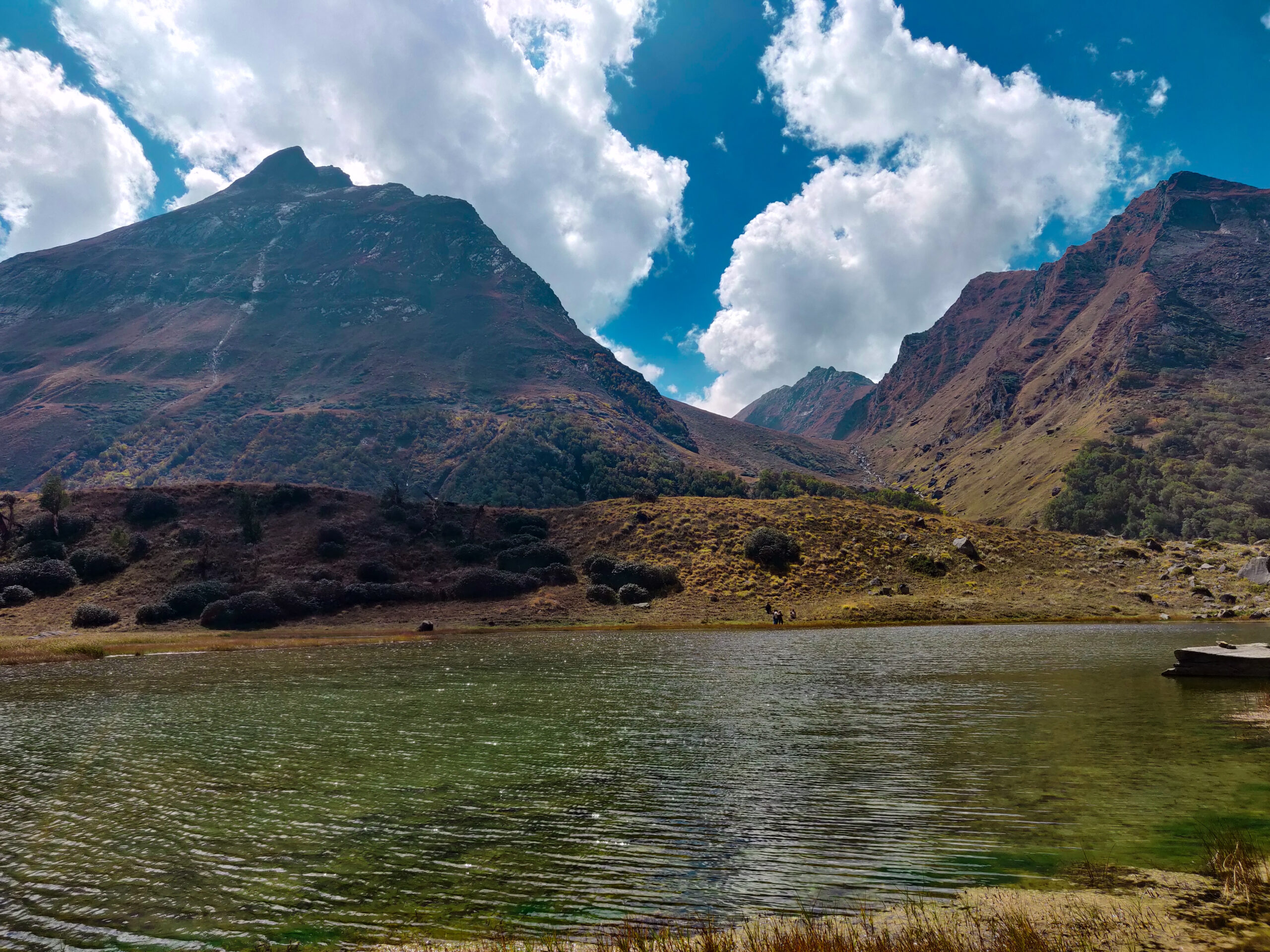
Hidden in the heart of Uttarkashi, Dayara Bugyal unfolds like a living canvas painted by the seasons — a vast alpine meadow shimmering at 12,000 ft, where earth and sky merge into one endless horizon. Every step here feels like walking through a dream — the soft crunch of grass beneath your boots, the distant echo of Himalayan winds, and the golden light spilling over snow peaks.
The Land of Rolling Meadows
The word ‘Bugyal’ means high-altitude meadow, and Dayara is among the most beautiful in all of Uttarakhand. Spanning miles of undulating pastures, it is nature’s amphitheatre — where flocks of sheep graze under a silver sun, and wildflowers bloom in every shade come summer. In winter, these same meadows transform into an endless expanse of white — making Dayara one of the best beginner-friendly snow treks in India.
A Himalayan Panorama Like No Other
Continue Reading....
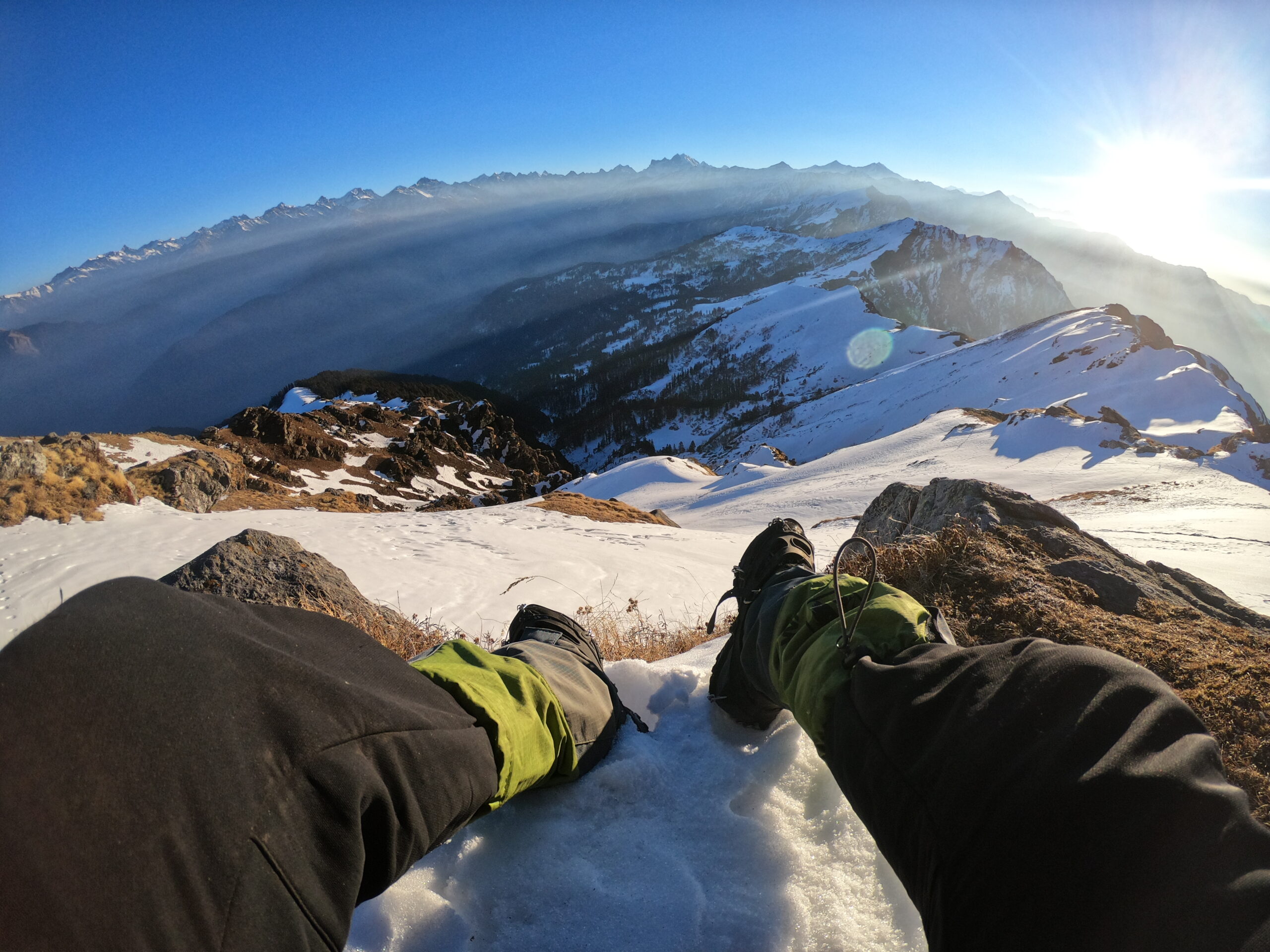
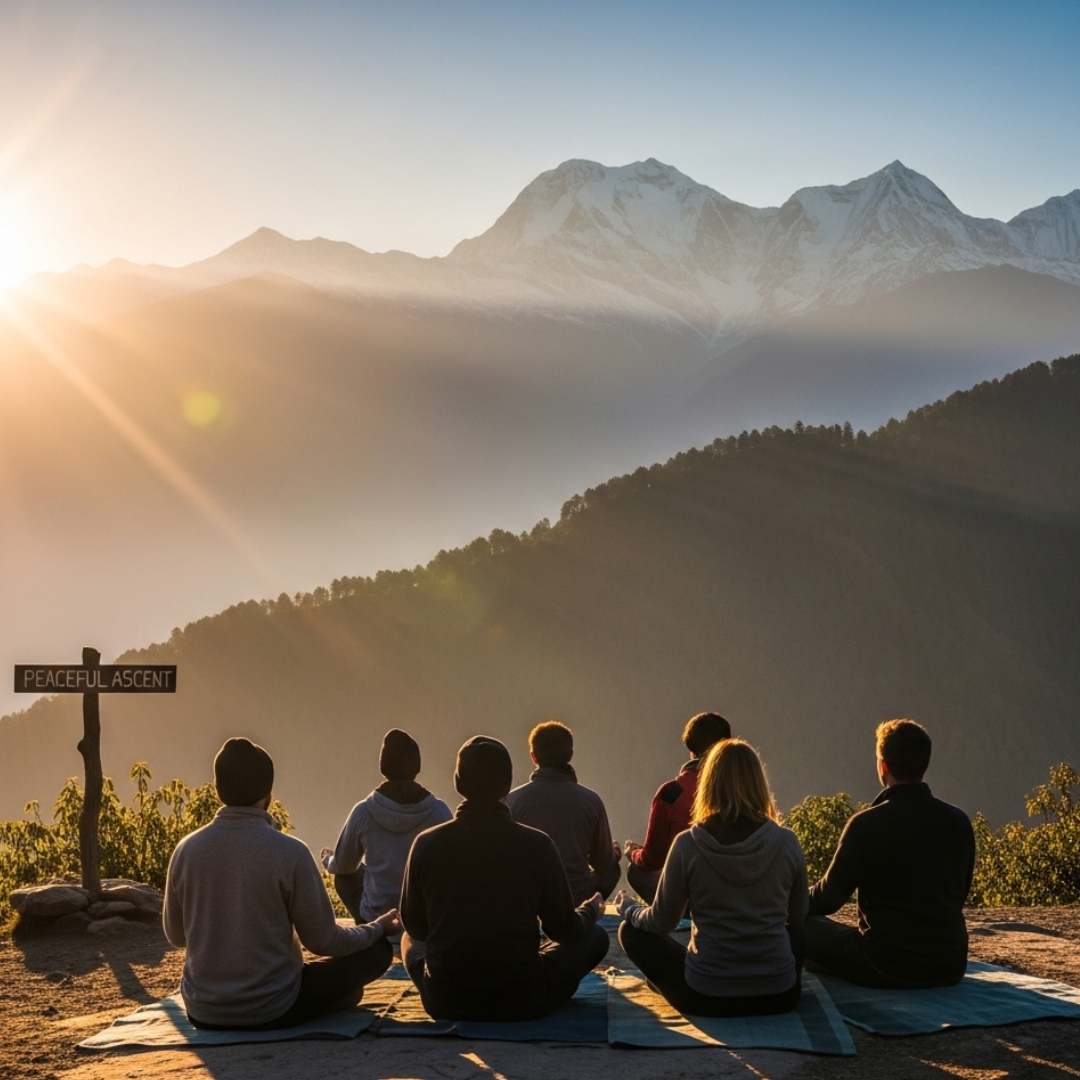
From the ridgelines of Dayara, the view is a breathtaking 360° embrace of the Gangotri range, with Mt. Bandarpoonch, Srikanth, and Draupadi ka Danda standing tall like silent guardians of the valley. As dawn breaks, the peaks blush in soft pinks and oranges, and at dusk, they dissolve into the purple of the twilight sky. It’s a panorama that humbles you — a reminder of how small we are amidst such grandeur.
Journey Through Forests and Villages
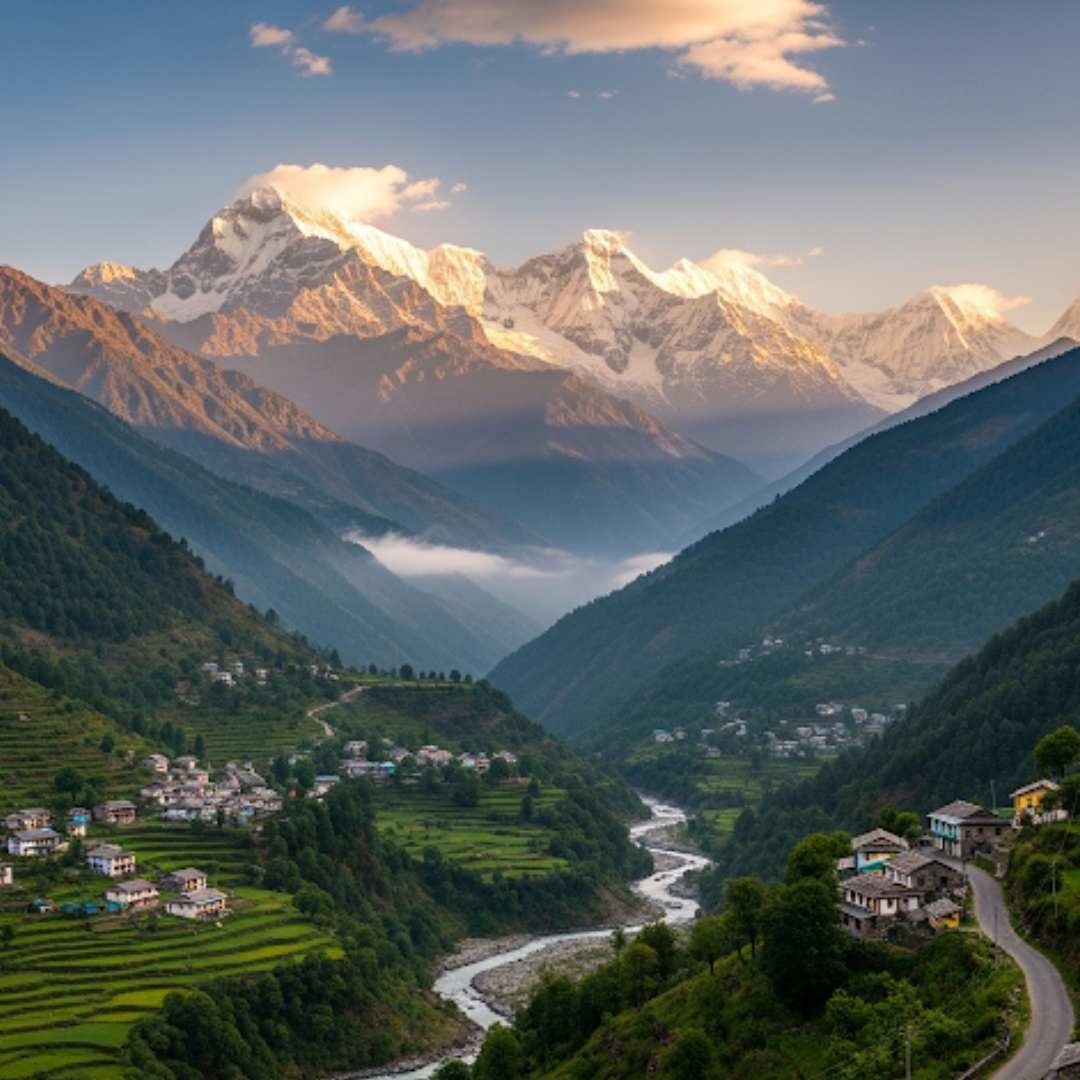
The trail begins at the charming village of Raithal, where warm smiles and wooden homes greet every traveler. As you ascend, ancient oak and rhododendron forests lead you higher into alpine beauty. In spring, the trail bursts into color with red and pink blossoms, while in autumn, the meadows glow golden beneath the Himalayan sun. Each turn whispers a new story — of mountain life, resilience, and peace.
Seasons of Magic
Every season brings its own enchantment to Dayara Bugyal.
🌿 Summer — endless green meadows and blooming wildflowers.
🍁 Autumn — golden hills and clear skies for perfect photography.
❄️ Winter — pristine snowfields and a wonderland of white silence.
Whichever season you choose, Dayara never looks the same twice — it changes, breathes, and lives like the mountains themselves.
The Spirit of Dayara
More than a trek, Dayara Bugyal is a feeling — of vastness, calm, and belonging. It’s a place where you pause, breathe deeply, and let the stillness of the Himalayas settle inside you. Whether you walk it in solitude or share it with fellow travelers, Dayara leaves you with something eternal — the quiet joy of being one with the mountains.
Who Can Participate
- Age Requirements:
- April to November: 9 years.
- December to March: 11 years.
- First-timers are welcome, though prior trekking experience is preferred. Good fitness is a must.
- Fitness Criteria:
- The Trekker should have sufficient stamina to cover 5 km of distance by jogging in 35 minutes without stress or 10 km of distance in 80 minutes without stress
- If the trekker prefers cycling he/ she should be able to cycle 10 km of distance in 30 minutes .
- If the trekker wants to carry a backpack then he/she should be able to carry a 10-12 kg backpack. If opt Off-load option then the trekker should be able to carry a 3-5 kg backpack.
- If a trekker’s BMI is more or less than the normal range (18-29), please consult our Trek Coordinator before booking.
Dayara Bugyal Trek Itinerary
DAY 1
Dehradun to Raithal
Distance: 180 km
Driving Time: 8-9 hours
Altitude: 7,400 ft.
DAY 2
Raithal to Gui Campsite
Trek Distance: 4 Km
Altitude: 9,500 ft
DAY 3
Gui to Dayara Bugyal to Gui
Trek Distance: 10 km
Altitude – 9,500 feet
DAY 4
Gui to Raithal
Distance: 4 km
Altitude : 7,400 Ft.
DAY 5
Raithal to Dehradun
Drive Distance: 180 km
Trip Ends: Arrival in Dehradun by evening
Dehradun to Raithal Village
Distance: 180 km
Driving Time: 8-9 hours
Your Himalayan journey begins with a scenic drive from Dehradun, winding along the Bhagirathi River, through lush valleys, terraced farms, and quaint mountain towns. As you approach Raithal village, the mountains begin to reveal themselves, standing tall against the sky, while the calm village life introduces you to the rhythm of the Himalayas. A gentle evening stroll allows you to take in views of Srikanth and Bandarpoonch peaks, soaking in the first taste of mountain serenity. Overnight stay at a cozy local guesthouse completes your introduction to Himalayan life.
Raithal to Gui Campsite
Trek Distance: 04 km
Trek Time: 4–5 hours.
Difficulty Level: Moderate
Altitude: 9,500 Ft.
The trek starts gently through oak and rhododendron forests, where the soft crunch of your boots blends with the whisper of the Himalayan breeze. As you ascend, glimpses of distant peaks open up, offering quiet moments to pause and marvel at the grandeur of the mountains. Reaching Gui campsite, surrounded by pine forests and crisp mountain air, you settle into your first night under the stars. The evening is filled with warmth — a crackling campfire, the laughter of fellow trekkers, and the stillness of the night, making it a truly magical Himalayan experience.
Gui to Dayara Bugyal & back to Gui
Trek Distance: 10 Km
Altitude: 12,000 Ft.
Today, the trail opens to the breathtaking Dayara Bugyal, a vast alpine meadow where the horizon feels endless. Rolling green slopes stretch beneath towering peaks like Bandarpoonch, Draupadi ka Danda, and Srikanth, while the air carries the crisp scent of grass and wildflowers. Every step across the meadow feels like walking through a painting, whether pausing to photograph the panoramic views, lying on the soft grass under a sunlit sky, or simply absorbing the quiet majesty of the Himalayas. The return to Gui campsite brings a cozy evening by the fire, with memories of the meadow etched in every glance.
Gui to Raithal Village
Trek Distance: 04 Km
Altitude: 7,400 Ft.
The descent offers a new perspective on the same trail, winding through oak, pine, and rhododendron forests where streams sparkle and birdsong fills the air. The forest feels alive, and the gentle downhill walk allows moments of reflection on the journey so far. As you approach Raithal village, glimpses of daily Himalayan life — villagers tending fields, children playing, and smoke curling from chimneys — create an intimate connection with the region. Evening at the guesthouse is peaceful, with a sense of accomplishment and belonging.
Raithal Village to Dehradun
Drive Distance: 180 Km
Drive Time: 8-9 Hours
After breakfast, you descend to the plains, retracing your path along the valleys and rivers. The mountains bid farewell with glimpses of snow-capped peaks and quiet forests, leaving you with memories of vast meadows, serene forests, and Himalayan magic that linger long after the trek ends. Arrival in Dehradun marks the conclusion of an unforgettable journey.
Note: Read more about our Customize Tours Plan before booking your tour.
Dayara Bugyal is a year-round Himalayan wonder, but each season paints the meadows and forests in a different palette, offering trekkers a unique experience every time.
Winter (December – February): The Snowbound Wonderland
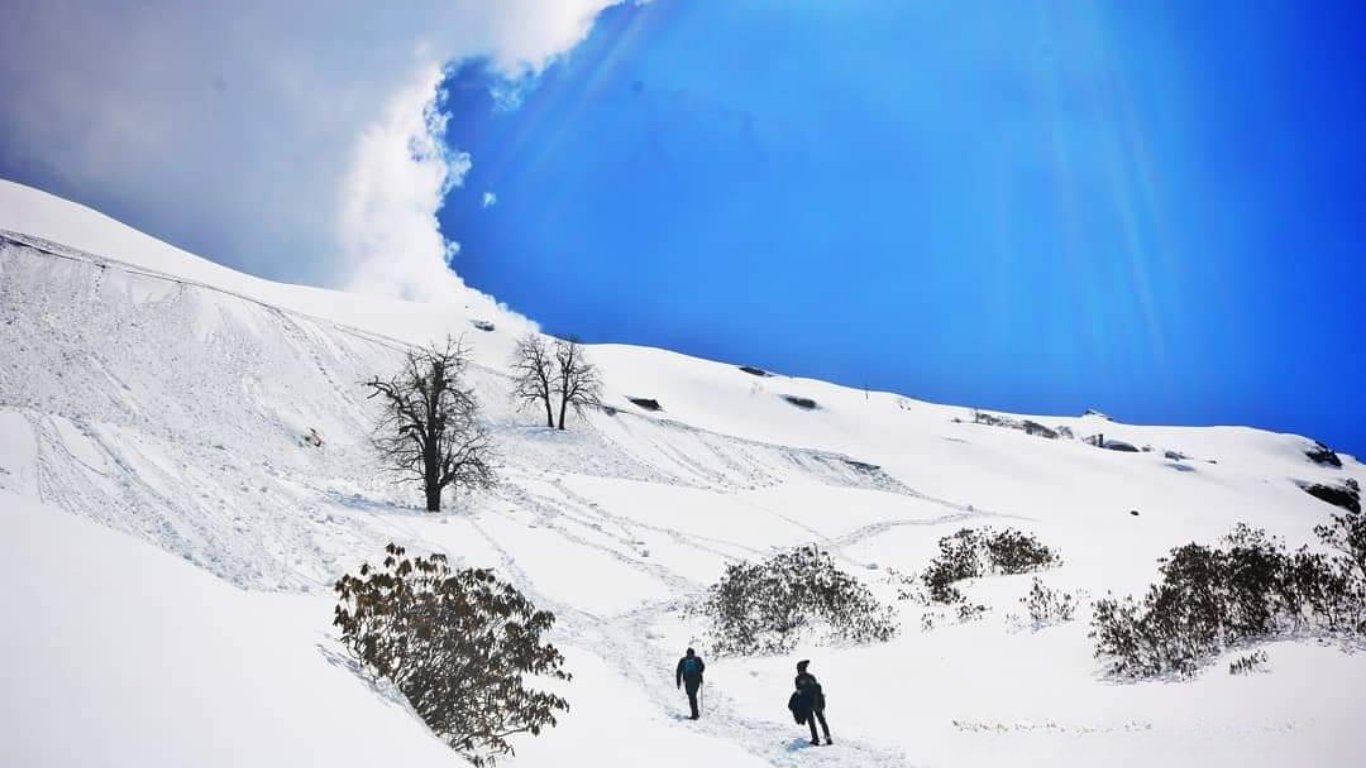
Winter transforms Dayara Bugyal into a blanket of pristine white, where snow-laden meadows and frozen streams create a magical winter wonderland. The crisp air, frosted oak trees, and panoramic snow-capped peaks make it a perfect destination for those seeking a true snow trekking experience.
Highlights: Heavy snow, frozen meadows, quiet trails, starlit nights.
Best for: Adventure seekers, snow photography lovers, and first-time winter trekkers looking for serenity.
Spring (March – April): Blooming Horizons
As snow melts, Dayara’s meadows come alive with wildflowers and fresh green grass, while rhododendrons begin to bloom along the trail. The contrast of melting snow patches against vibrant flowers creates a dreamlike Himalayan landscape.
Highlights: Blooming rhododendrons, clear skies, moderate temperatures, fewer crowds.
Best for: Nature lovers, photographers, and beginners seeking a balance of comfort and Himalayan beauty.
Summer (May – June): Lush Alpine Meadows
Summer offers stable weather, clear skies, and open trails, making it ideal for trekking families and beginners. The meadows turn lush green, streams flow gently, and the surrounding peaks look majestic against the bright blue sky. Villages along the route are bustling with life, offering a glimpse into the local Himalayan culture.
Highlights: Green alpine meadows, panoramic mountain views, warm days and cool nights.
Best for: Families, first-time trekkers, and those preferring non-snow conditions.
Monsoon (July – September): Misty and Magical
The monsoon season cloaks the forests and meadows in mystical fog and deep greenery. Streams swell and the air smells of wet earth, making the trek feel like a journey through a secret Himalayan garden. Trails can be slippery, so trekking experience and caution are required.
Highlights: Misty landscapes, rain-washed forests, fewer trekkers, mystical ambiance.
Best for: Trekkers who enjoy solitude and the ethereal beauty of the monsoon Himalayas.
Autumn (October – November): Golden Himalayan Splendor
Post-monsoon autumn is one of the most spectacular times to trek Dayara Bugyal. The skies are crystal clear, offering sharp views of Bandarpoonch, Srikanth, and Draupadi ka Danda peaks, while forests and meadows glow in golden, amber, and crimson shades. Early snow may dust higher altitudes, adding a magical touch to the landscape.
Highlights: Clear panoramic views, golden meadows, ideal trekking conditions.
Best for: Photographers, nature enthusiasts, and trekkers seeking tranquility and perfect visibility.
Dayara Bugyal Trek Map
Trek Guidelines
Health & Awareness
All participants must undergo a mandatory health check-up before the trek, as per Indian Mountaineering Foundation (IMF) safety norms.
Trekkers with chronic medical conditions (e.g., asthma, heart disease, epilepsy, diabetes, high blood pressure) must declare them during registration and carry prescribed medicines.
Basic first aid, oxygen cylinders, and a certified trek leader trained in Wilderness First Aid (WFA) will be present on all expeditions.
Trekkers must be aware of Altitude Mountain Sickness (AMS), its symptoms, and precautions. Guidelines will be explained during the briefing session.
Government Employees
As per Indian Government rules, employees availing leave for adventure activities must ensure proper leave sanction orders from their department before joining the trek.
Employees seeking reimbursement or recognition for adventure training must ensure the trek is recognized by the Indian Mountaineering Foundation (IMF) or Ministry of Youth Affairs & Sports.
A participation certificate will be provided after the trek, which can be submitted to concerned government departments for official use.
It is the participant’s responsibility to comply with their organization’s travel, safety, and insurance policies before joining.
Kids Guidelines
Children below 10 years are generally not recommended for high-altitude treks as per IMF advisory.
For family-friendly treks, children aged 10–15 years must be accompanied by a parent/guardian and require a fitness clearance certificate from a registered doctor.
Kids must be mentally prepared for long walks, uneven terrain, and basic camping conditions, as per outdoor safety norms.
Parents/guardians are solely responsible for their child’s safety, behavior, and adherence to trek rules.
Fitness Required
All trekkers must meet basic fitness standards set under Indian Mountaineering Foundation (IMF) and Ministry of Tourism guidelines.
Minimum fitness requirements:
Ability to walk 5 km in 45 minutes on plain terrain.
Ability to carry a 6–8 kg backpack for multiple hours.
No recent major surgeries or serious medical conditions in the past 6 months.
A medical fitness certificate (from an MBBS/MD doctor) is mandatory before joining high-altitude treks.
Alcohol, smoking, and drug use are strictly prohibited during the trek as per IMF and local administrative regulations.
What To Pack
Shoes and backpack
- Trekking shoes with ankle support
- Backpack with rain cover
Warm Layers and Clothes
- Warm layers – 3 layers if you’re trekking in spring, summer and monsoon (1 woollen sweater, 1 fleece, 1 padded jacket) – 4 layers if you’re trekking in autumn (1 woollen sweater, 2 fleece, 1 padded jacket) – 5 layers if you’re trekking in winter (1 pair of thermals, 1 woollen sweater, 2 fleece, 1 padded jacket)
- 3 Collared T-shirts (Wear one, carry two)
- 2 quick-dry trek pants (Wear one, carry one)
Continue Reading..
Accessories
- Sunglasses
- Sun cap
- Waterproof gloves
- Balaclava
- Woollen socks (2 pairs of Dry fit + 1 pair of Woollen)
- Headlamp
- Trekking pole
- Rain jacket + pants / poncho
Toiletries:
- Sunscreen
- Moisturiser
- Light towel
- Lip balm or vaseline
- Toilet paper
- Toothbrush
- Toothpaste
- Reusable plastic covers (for used clothes)
Cutlery:
- Steel lunch box, spoon and a Two water bottles or Hydration Pack
Basic Medical Kit (Carried by You)
While Musafir Hikes carries a larger medical kit, we recommend bringing personal medicines:
- Diamox (for AMS) – only after doctor consultation
- Paracetamol, Combiflam
- Avomine (for motion sickness)
- ORS or Electrolyte Sachets
- Band-aids, Antiseptic Cream
- Muscle Spray or Pain Relief Balm
- Any prescribed medication
Documents & Personal Items
- Government ID (Aadhar/Passport) – Mandatory for forest permits
- Photocopies of ID – At least 2
- Passport-size Photos – 2–4 (for permits)
- Cash – ATMs may not work beyond Joshimath; keep ₹2,000–₹3,000 for local expenses
- Small Notepad + Pen – For journaling or information
Pro Tips
- Pack light but don’t skip essentials. Every extra kilo will feel heavier at 3,500 m.
- Avoid plastic bags. Use dry bags or zip-locks to keep items dry and organized.
Check weather forecasts a day before your trip and adjust accordingly.
How To Reach
Pick-Up Information
- It is essential for everyone to arrive at Dehradun (06:00 am)
- Pick-up Location – Hotel Milan Palace near Railway Station,Dehradun.
- Once you have reached Dehradun, MHE will manage the rest of your travel arrangements, if you have opted for pick-up service, you can select this option during the booking process by adding it as an add-on.
Options to Reach Dehradun
First, you can arrive at Delhi, Dehradun airport or Chandigarh. The journey from these locations to Dehradun is explained below.
1. Take overnight train/bus to Dehradun.
2. Take overnight train/bus to Haridwar and drive to Dehradun (50km | 1 hr 30 min drive with normal traffic).
3. Board a flight to Dehradun airport (Jolly Grant Airport) (26 km, 30 min) from Dehradun. If you’re arriving by air, then come one day in advance.
Drop-Off Information
- The designated drop-off point is same as pickup point.
- Reach in Dehradun by 6:30 to 7:30 pm.
- Please consider planning your subsequent travel arrangements after 10:00 pm.
Note – In July and August month always have a buffer day in your Itinerary due to the Monsoon.
- It’s highly advisable to keep a buffer day in your travel plan. If the buffer day is not used, it can be used to explore Dehradun/Rishikesh.
- MHE offers comfortable transportation through Tempo Traveler, Bolero, or equivalent vehicles. If you wish to upgrade your mode of transportation, please contact your trek coordinator for further assistance.
Cost Terms
✅Inclusion
Accommodation (as per the itinerary):
- Triple/quad sharing (separate for males and females throughout the trek)
Meals (Veg + Egg):
- All meals (including tea, soup, snacks, etc.) from Day 1 Dinner to Day 6 Breakfast. Morning and evening tea, accompanied by light snacks, are included in the trekking package.
3. Support:
- 1 Versatile base camp manager handles communication and deploys extra manpower in emergencies.
- 1 Mountaineering & First aid qualified professional trek Leader.
- 1 Experienced high-altitude chef.
- Local experienced guides (Number of guides depending on the group size).
- Enough support staff.
Trek equipment:
- Sleeping bag, Sleeping liners (if required), mattresses, and Utensils.
- 3 men all season trekker tent (twin sharing), Kitchen & Dining tent, Toilet tent.
- Camping stool, Walkie talkie.
- Ropes, Helmet, Ice axe, Harness, Gaiters & crampons (if required).
5. First aid:
- Medical kit,Stretcher,Oxygen cylinder,Blood pressure monitor,Oximeter,Stethoscope.
6. Transportation (as per the itinerary). Mules/porters to carry the central luggage.
- Cloakroom facility available at the base camp for additional luggage
- All necessary permits and entry fees, Upto the amount charged for Indian
- Trek Completion Certificate.
❌Exclusion
- Insurance (Mandatory).
- Food during the transit.
- Any kind of personal expenses.
- Mule or porter to carry personal luggage.
- Emergency evacuation, hospitalization charge, etc.
- Anything not specifically mentioned under the head Inclusion.
Things can be provided on demand and availability (participant has to pay extra for these things).
- Satellite phone/set phone – is a type of mobile phone that connects via radio links via satellites orbiting the Earth instead of terrestrial cell sites like cellphones. Therefore, they can operate in most geographic locations on the Earth’s surface.
- Gamow/PAC HAPO Bag(Portable Hyperbaric Bag) – is a unique, portable hyperbaric chamber for the treatment of acute mountain sickness (AMS), also known as altitude sickness.
- AEDs (Automated External Defibrillators) are portable life-saving devices designed to treat people experiencing sudden cardiac arrest, a medical condition in which the heart stops beating suddenly and unexpectedly.
Cancellation & Rescheduling Policy
We understand that plans can change. Our policies are simple, transparent, and designed to balance your flexibility with the commitments we make to our local teams.
Cancellation Policy
- Cancellation requests must be made in writing via email (info@musafirhikes.com)
- The date of cancellation is the date we receive your request, not when it is sent.
Refunds
- 30+ days before trek → Full refund (minus 1.99% processing fee)
- 15–29 days before trek → 80% refund
- 10–14 days before trek → 60% refund
- 5–9 days before trek → 40% refund
- ≤4 days before trek → No refund
Rescheduling Policy
- Requests must also be made in writing (e.g., via email).
- The date of receipt determines rescheduling eligibility.
Rescheduling Fees
- 30+ days before trek → Free reschedule
- 15–29 days before trek → 10% fee
- 10–14 days before trek → 20% fee
- 5–9 days before trek → 30% fee
- ≤4 days before trek → Not possible
Notes
- Refunds are processed within 7–10 business days to the original payment method.
- Timelines are counted from the original trek start date.
- If a trek is affected by weather, natural events, or government restrictions, we will try to reschedule first. If not possible, the cancellation terms above apply.
- Bookings are non-transferable.
- Once rescheduled, treks become non-refundable.
Trek Essentials
Gallery


Frequently Asked Questions(FAQ)
What is the difficulty level of the trek?
Dayara Bugyal is considered an easy-to-moderate trek, suitable for beginners with a basic level of fitness. The trail involves gradual ascents and well-marked paths, making it ideal for both first-time and experienced trekkers.
What is the best time to do the Dayara Bugyal Trek?
Dayara Bugyal can be trekked year-round, except during heavy monsoons (July–August).
Winter (Dec–Feb): For snow lovers.
Spring (Mar–Apr): For rhododendrons and clear skies.
Autumn (Oct–Nov): For golden forests and perfect visibility.
What kind of views can we expect?
You’ll witness panoramic views of Bandarpoonch, Srikanth, Draupadi ka Danda, and Gangotri peaks, along with sprawling alpine meadows and forests.
How many people share a tent?
Tents are provided on a twin-sharing basis, with the option for triple occupancy if required.
Is acclimatization required?
Dayara Buggyal is a moderate altitude trek, and most trekkers can manage without dedicated acclimatization days. However, ascending gradually, staying hydrated, and taking it slow helps prevent altitude sickness.
Where is the last ATM point, and what about network connectivity?
- Last ATM: Bhatwadi,Uttarkashi.
Network Coverage:
Mobile connectivity is available up to Raithal village, the starting point of the trek.Beyond Raithal (Gui, Chilapada & Dayara Top):
Once you start trekking, the network becomes weak and eventually unavailable.Recommended Networks:
Jio and BSNL have the best coverage in Raithal and nearby villages.
What will the temperature be like?
Summer (May–June): 10°C to 20°C during the day.
Winter (Dec–Feb): 0°C to -5°C at night.
Always carry warm layers, even in summer.
Is there a place to leave luggage I don’t need during the trek?
Yes. You can leave extra bags or items at Hotel, safely stored until your return. Just pack a smaller bag with essentials for trail days.
Do I need any permits for the trek?
Yes, forest entry permits for the Brahamtal trek.These are arranged by Musafir Hikes as part of your trek package. You only need to bring a government ID and passport-size photos.
Can trekking equipment be rented?
Yes, jackets, trekking shoes, hiking poles, and backpacks are available for rent.
What is the emergency plan if someone falls sick?
Guides carry a first aid kit.
In case of emergencies, trekkers are escorted down to Raithal or Uttarkashi, where hospitals and medical facilities are available.
How do I book a tour with Musafir Hikes?
You can book directly through our website or contact us via call/WhatsApp/email. Once you select your tour, you’ll receive a confirmation and payment details.
What is included in the tour cost?
Our tours generally include accommodation, meals (as per itinerary), guide charges, permits, and basic medical support. Exclusions usually cover personal expenses, travel insurance, and anything not mentioned in inclusions.
Is it safe to travel with Musafir Hikes?
Yes. Your safety is our top priority. We follow government trekking norms, carry first aid, and our guides are trained in mountain safety and emergency handling.
How difficult is the trek/tour? Do I need prior experience?
Difficulty varies from tour to tour. Most treks are designed for beginners with good fitness, while some require prior high-altitude experience. Fitness preparation tips are always shared after booking.
How do I prepare physically for the trek?
We recommend regular walking/jogging, stair climbing, or light cardio at least 3–4 weeks before the trek. Staying hydrated and building stamina will make your experience much easier and enjoyable.
How do I reach the starting point of the trek?
We provide details of the nearest railway station/airport and assist with travel planning. Transport from pickup points (like Rishikesh/Dehradun) is usually arranged with the group
Why should I choose Musafir Hikes?
We focus on safety, sustainability, and local community support. A part of your booking helps uplift Himalayan villages, making your journey meaningful.